
Tomodachi Life: Living the Dream, released April 16 exclusively on the Nintendo Switch, has been a long-awaited game on many players’ lists.
The game is a quirky and creative life simulator that is a sequel to the original Tomodachi Life (Tomodachi Collection: New Life), released back in 2013.
The original game was very memorable for its in-game creativity. Players could design their own Mii’s (in-game characters) with more detail than in the previous games.
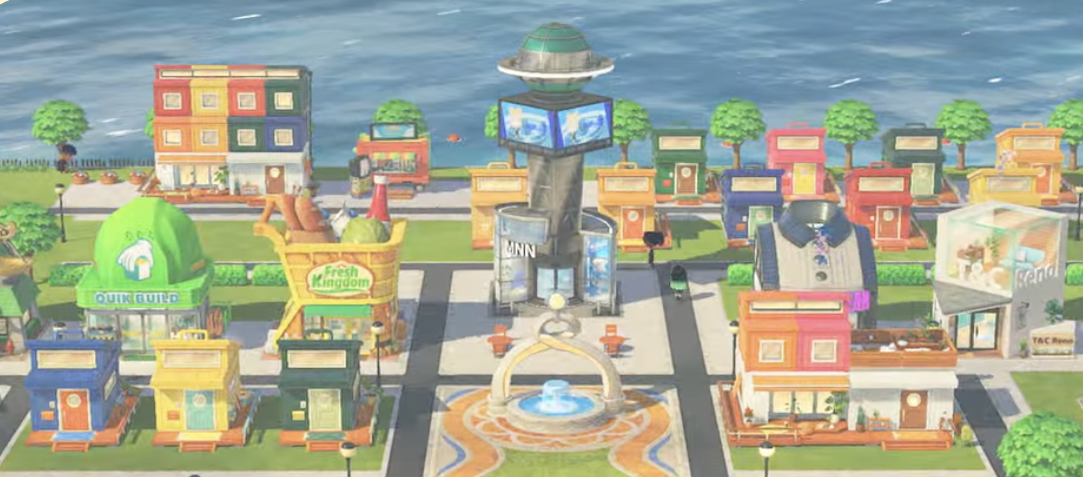
There has been an update to the personality option to make each Mii unique. The gameplay looks much better than the 3DS version of the game, with more lively and colorful updates.
However, the game is far from being perfect. While very entertaining, the interactions among the Miis can become very repetitive. Many tasks and interactions start to feel similar, and much of the gameplay involves watching rather than actively playing.
Many players, including myself, are displeased with the Mii sharing feature that was once on the 3DS version of the game. This limits how easily you can share your creations with friends.
The game also has zero filter, which gives the players creative liberty. This can be both a negative and a positive thing. Although players can create unique things for their Miis, other players created atrocious objects like alcoholic beverages and vapes.
The biggest disappointment is the removal of classic activities such as the quirky questions, rap battles, Tomodachi Quest, Judgement Bay, magic shows, frisbees and the cookouts that would occur on the island.
Even core features like the compatibility board and rankings system are missing, which takes away a lot of the fun in checking in on your island’s social dynamics. Not only was this a very disappointing change, but I felt like the removal was unnecessary and took away from the personality that made the original so special.
The activities were not the only thing that was removed. The game designers also changed how relationships are handled. In the original game, couples felt alive and genuinely connected with each other. They shared rooms, slept in the same bed and wore matching pajamas, but in the new version, couples live in separate rooms, feeling more like roommates than lovers.
The removal of features such as the ability to choose proposal locations only adds to this problem, making major life events feel less personal and memorable. Players can no longer fully experience watching baby Miis grow up or interact with them in the same meaningful way. This makes the game feel bland and underwhelming.
Another important feature from the 3DS was removed. The concert hall is missing. The concert hall was a very monumental location in the original game where players could create songs. Still, the game removes them entirely, leaving the experience feeling smaller rather than bigger.
Overall, the game’s improvements to Mii customization and visuals are a big step up from the previous game, but removing what made the original game so special feels unnecessary.
After playing Tomodachi Life: Living the Dream for over 30 hours, I did enjoy it, and I think it’s good for what it is, but it will never compare to the original Tomodachi Life on the 3DS.