
The Ohio High School Athletic Association (OHSAA) announced on Nov. 24 that member schools had voted to pass a resolution that formally adopts name, image and likeness rules for high school athletes.
Athletic Director Ryan Peters explained the rules of NIL.
“NIL allows a student athlete and their family to go out and solicit somebody that would give them funds to advertise their name, image and likeness,” he said.
The official sanctioning of NIL opportunities for high school athletes allows students to profit from their athletic reputation for the first time in Ohio.
This change brings new possibilities for athletes across all sports. With that, though, comes concerns about fairness, pressure and the overall dynamic of the future of high school sports.
Under the new rules, high school athletes can enter sponsorship deals with businesses, as long as they follow OHSAA guidelines.
Ohio was one of the last states to adopt NIL at the high school level. According to Peters, lawmakers were motivated by past situations where elite athletes benefited from their popularity but were barred from profiting.
Peters pointed to LeBron James’ high school career, when accepting gifts made him ineligible, as an example of why the state rule needed to change.
While NIL created opportunities, it also introduced new responsibilities for schools. Peters said administrators and coaches will now need to ensure every deal follows OHSAA compliance.
“We would sit down together, work with the OHSAA, make sure we’re doing everything in compliance,” he said.
Because the rules are still new, Peters noted that Beachwood has not yet had students pursue deals, though coaches have already begun asking questions.
Peters also expressed concern that NIL could widen the gap between schools.
“Some schools will use it as a massive advantage to recruit kids,” he said.
Peters is concerned that schools with wealthy alumni or booster connections may have more resources than others. He worries that programs without that financial backing could struggle to keep up.
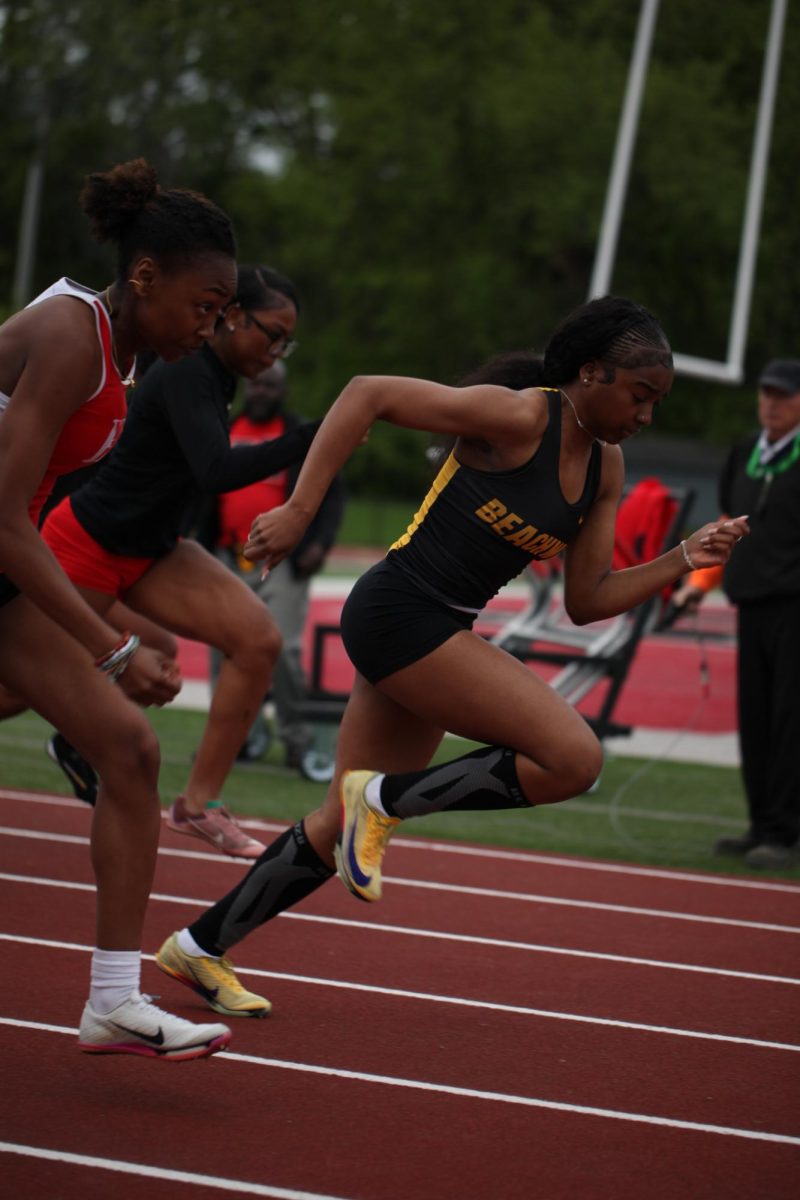
Former elite track athlete and current Beachwood coach Nya Bussey, has seen NIL firsthand at the collegiate level. During her time competing at Ohio State, she signed multiple deals, including paid brand content and a commercial, and even had travel expenses covered by a track brand while exploring professional opportunities.
Despite her success, Bussey is skeptical about NIL coming to high school sports.
“That’s a bad idea,” she said, explaining that athletes may prioritize money over choosing schools for the right reasons.
Bussey also warned about added pressure, particularly from family members.
She worries that family interference could push athletes toward decisions they don’t truly want to make. In track specifically, she believes NIL could make competition even more intense, as athletes chase limited sponsorship opportunities.
Still, she sees ways for athletes in often-overlooked sports could benefit. She emphasized the role of social media, saying platforms like TikTok helped her build her brand.
“People love to watch someone fast or jump or throw far,” she said.
Despite some of her concerns, Bussey acknowledged that NIL could still provide opportunities for athletes in less-publicized sports if they build a strong personal brand.
As Ohio begins its first year of high school NIL, administrators and coaches are watching closely. While coaches and administrators are focused on how NIL will affect their own programs, the Ohio High School Athletic Association (OHSAA) says the rules were designed to prevent many of the concerns schools have raised.
According to OHSAA’s Director of Eligibility and Technology Ryan Sayers, Ohio adopted NIL in 2025 largely because it was one of the last states without a policy and because outside legal pressure accelerated the timeline.
The goal, he said, was to create regulations that schools could control rather than leaving athletes without any guidance.
Sayers emphasized that Ohio’s model is very different from college NIL.
“This is not pay-to-play,” he said.
Schools, boosters and anyone connected to a team are prohibited from offering compensation deals to influence where a student attends or how they perform. There is also a rule that NIL activities and deals must happen outside of school hours and cannot be tied to team participation in any way.
To prevent unfair recruiting advantages, the OHSAA included specific bylaws separating NIL from athletic performance. The organization is also working to educate schools by providing resources for athletic directors, coaches and families as they learn and navigate through the new rules.
Sayers said the biggest challenge to begin this new era of high school athletics will be understanding the policies and making sure they’re going about it the right way.
“The need for continued education around the rules, and needing to continue to adjust to the ever-evolving landscape that is NIL in our country,” Sayers said.
Sayers advised student-athletes and their families to stay cautious and research before signing anything. He encouraged students to talk with trusted adults and carefully review any offer.
“If something seems too good to be true, it probably is,” he said.
Peters’ biggest concern is the changing nature of school sports.
“There’s a purity to high school sports,” he said. “You play for your school, you play for your community… This changes things.”
Athletes will now have to balance being part of a team and school pride with the growing role of personal branding for some.
While adults debate policy and long-term effects, the student-athletes who are competing right now are the ones who will be most affected.
With opportunities for some expanding and some concerns still unresolved, student-athletes will begin to explore what NIL could mean for them. Their experiences will shape how NIL fits into the culture of high school sports in Ohio.